APIs and Data Models Behind Reliable Automations
Backend patterns that keep automated workflows trustworthy — clear contracts, idempotent jobs, and observability when something breaks at 2 a.m.

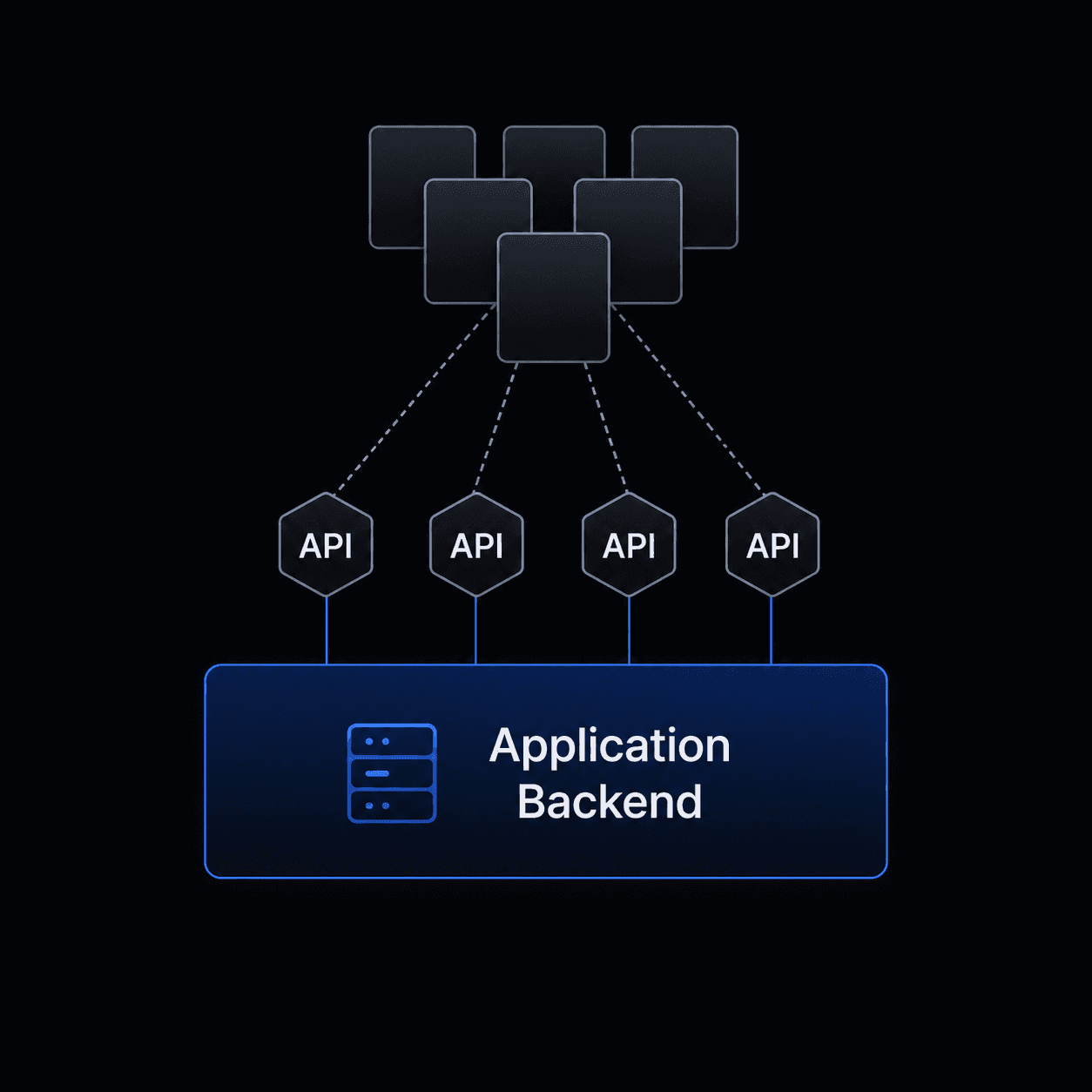
Automations only feel magical when the backend is boring in the best way: predictable contracts, safe retries, and logs you can trust. Without that foundation, every Zap or agent is a liability waiting for a duplicate charge or a silent miss.
Design for retries
Networks fail. Workers restart. Design every side effect to be idempotent — the same message processed twice shouldn’t book two appointments or send two invoices. Idempotency keys and clear resource identities are non-negotiable.
Make state visible
Store workflow status explicitly: queued, running, succeeded, failed, needs review. Dashboards and alerts beat digging through server logs when a partner API flakes.
- Versioned API contracts with explicit error shapes
- Queues with backoff, dead-letter handling, and replay
- Audit trails for customer-impacting actions
- Health checks on every dependency you automate against
“Reliable automation is mostly good backend engineering wearing a friendlier name.”
Keep reading
Human-in-the-Loop Approvals: Queues for Irreversible AI Actions
How to design approval queues for AI agents that send money, change records, or message customers — so automation stays fast without shipping irreversible mistakes.
ReadAutomationAI Eval Harnesses in CI: Catch Regressions Before Users Do
How to wire LLM eval suites into pull requests — golden cases, score thresholds, cost budgets, and failure reports — so prompt and retrieval changes fail closed in CI.
ReadAutomationLLM Observability: Know What Your Model Did in Production
Traces, costs, failure modes, and eval hooks — a practical observability stack so AI features stop being black boxes when something goes wrong.
Read