Automating the Business: Where Tech Should Replace Busywork
A practical playbook for automating operations — intake, follow-ups, and handoffs — without breaking the moments that still need a human.

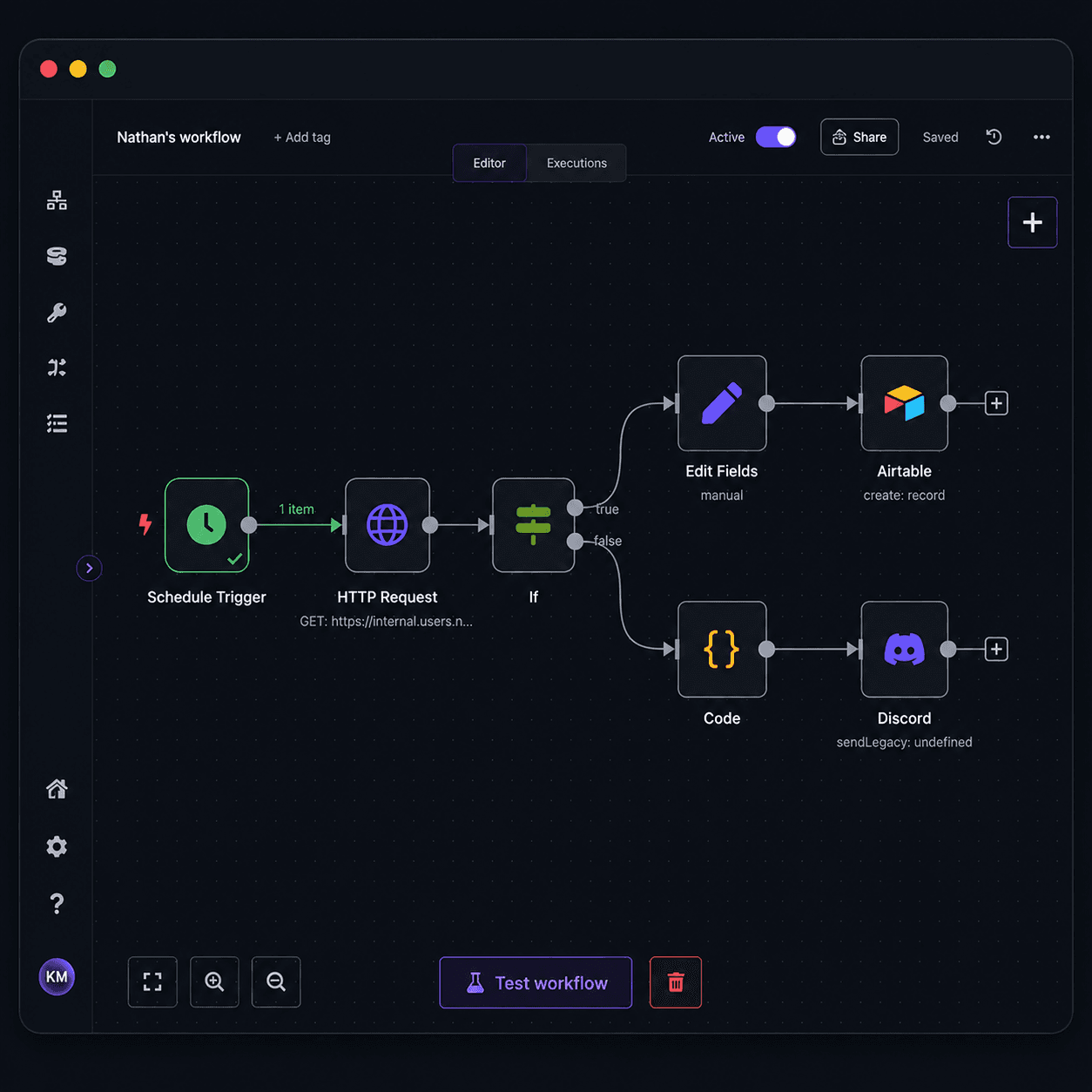
Most businesses don’t need more dashboards. They need fewer repetitive tasks stealing hours from people who should be closing deals, helping customers, or making decisions. Automation done well removes busywork. Automation done poorly hides broken processes behind a shiny script.
Find the loops that never change
Start where work is high-volume and low-judgment: lead routing, appointment reminders, invoice chasing, status updates between tools. If a teammate can describe the steps the same way every time, it’s a candidate. If every case needs debate, keep a human in the loop.
Connect systems, don’t duplicate them
The win isn’t another app — it’s making CRM, calendar, inbox, and billing agree. Reliable integrations and clear ownership of each field beat clever one-off scripts that only one person understands.
- Automate intake and triage before you automate judgment
- Log every automated action so failures are visible
- Require approval for money, deletes, and customer-facing sends
- Measure hours saved and error rate — not just “number of zaps”
Expand only on evidence
Ship one workflow, watch it for two weeks, then extend. Teams that flip every process to “fully automatic” overnight usually spend the next quarter debugging trust. Earn autonomy step by step.
“Good automation makes your best people more available — not less accountable.”
Keep reading
Human-in-the-Loop Approvals: Queues for Irreversible AI Actions
How to design approval queues for AI agents that send money, change records, or message customers — so automation stays fast without shipping irreversible mistakes.
ReadAutomationAI Eval Harnesses in CI: Catch Regressions Before Users Do
How to wire LLM eval suites into pull requests — golden cases, score thresholds, cost budgets, and failure reports — so prompt and retrieval changes fail closed in CI.
ReadAutomationLLM Observability: Know What Your Model Did in Production
Traces, costs, failure modes, and eval hooks — a practical observability stack so AI features stop being black boxes when something goes wrong.
Read