Mobile & Cross-Platform Apps: Choosing How to Build
When to go native, when cross-platform wins, and how we keep application quality high either way — performance, UX, and long-term ownership.

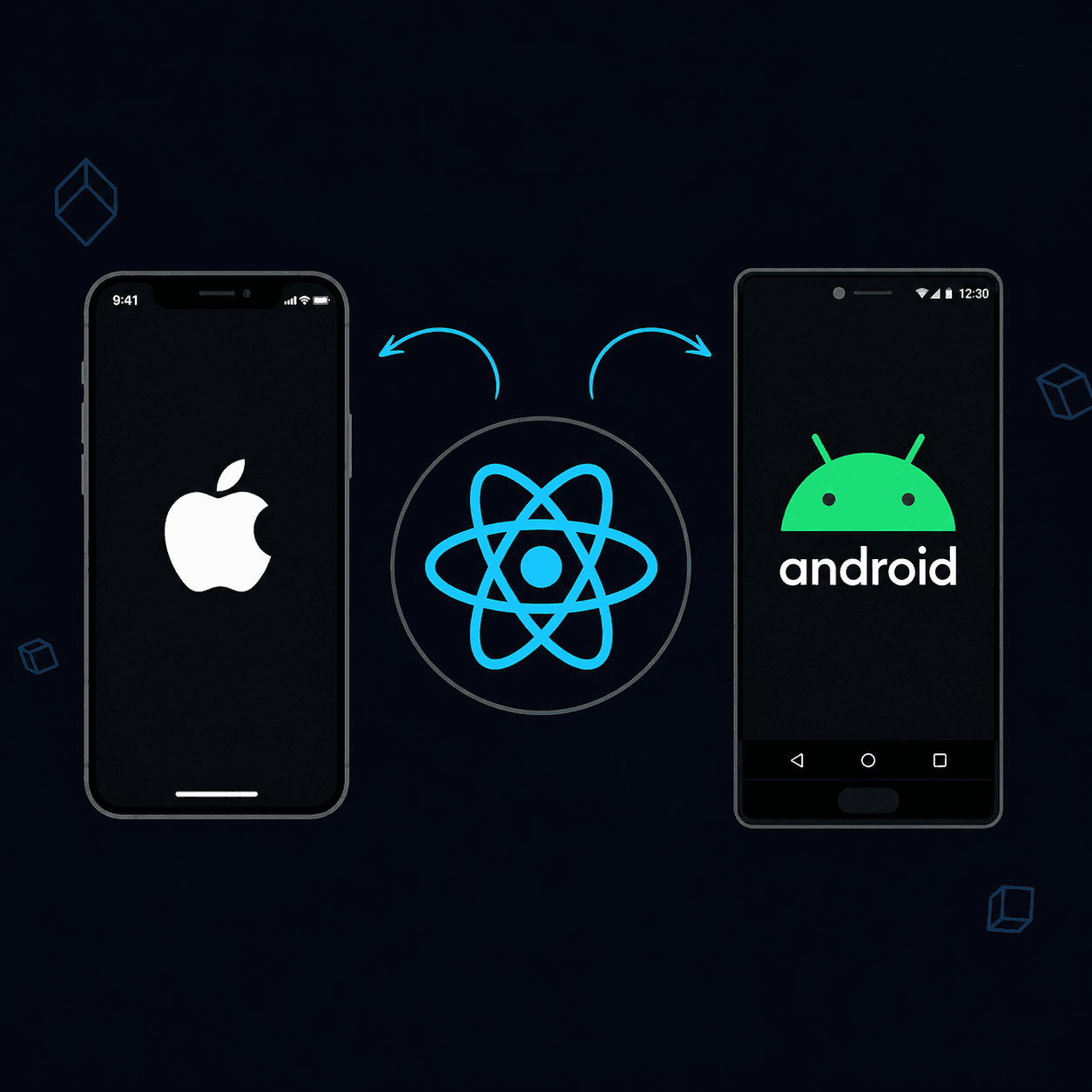
“Should we go native or cross-platform?” is the wrong first question. The right one is: what does the product need to feel like, how fast must we learn, and who will maintain it in a year?
Cross-platform when the product is shared
If iOS and Android share the same workflows and visual language, one codebase can ship faster and stay consistent. React Native and Flutter are strong when you invest in native modules only where they earn their keep.
Native when the platform is the product
Heavy camera pipelines, deep OS integrations, or extreme performance needs often justify native. Don’t pick native for prestige — pick it when the alternative would fight the platform every sprint.
- Prototype the riskiest interaction early
- Budget for store review, push, and analytics from day one
- Share design systems across web and mobile where it helps
- Plan handover: builds, certificates, and release ownership
“The best stack is the one your team can still ship with six months after launch.”
Keep reading
Application Development That Ships: From Scope to Production
How we plan, build, and release applications — clear scopes, weekly demos, and a path to production that clients can actually own.
ReadApplication DevelopmentFrontend Craft for Product Apps That Feel Fast
Patterns for snappy product UI — loading states, caching, and interaction details that make a web app feel native.
ReadAIModel Routing and Cascades That Cut Cost Without Killing Quality
How to route AI requests across cheap and frontier models — classifiers, confidence gates, cascades, and fallbacks that protect quality while keeping unit economics sane.
Read